In previous blogs on the GardenLife website we’ve talked about the best place to position a garden building and designing a child friendly garden. We’ve also covered timber buildings and planning permission, as well as some garden designs for summer houses and log cabins on our website. But what happens if you can’t decide how conspicuous or hidden you want your new garden building to be. Do you want your summer house to be the focal point of the whole garden, or are you after a secret hideaway to escape to?
Most of the garden buildings on our website are designed to be seen. With high-quality timber and elegant proportions and design, it’s a shame to hide them away out of sight. Nevertheless, just as you wouldn’t plan to buy a new sofa without thinking in terms of the overall layout of your sitting room, so it’s better to think about the overall design of your garden when you buy a garden building (and not just about planning permission). Where you position the timber building will make a huge difference to how big your garden looks and how attractive it is. Here are some garden design ideas for garden buildings, whether you want to make them stand out, or hide them away.
Position on the end wall or side wall?
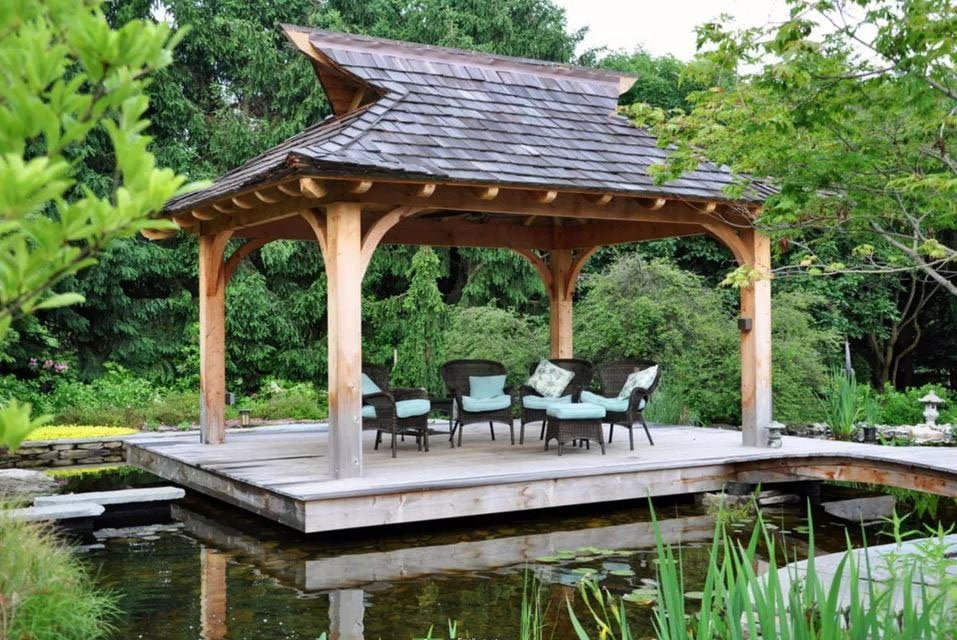
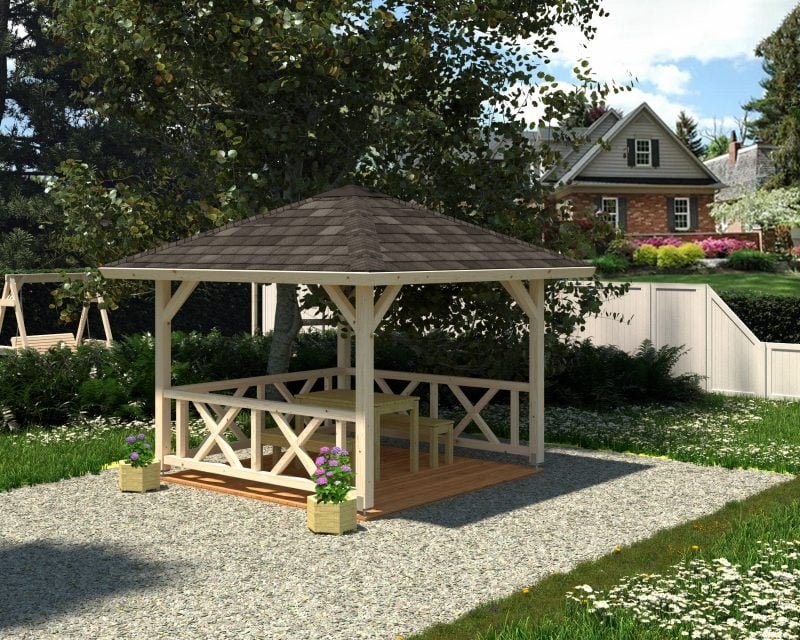
For example, putting a summer house at the end of the garden creates a focal point at the furthest point away (which can make the garden look longer). But having it on a side wall can open up more interesting uses of the space, especially in an average British rectangular suburban or urban garden, and allow you to create different areas or ‘rooms’ in the garden.
Layouts and paths to a building
You should also think about whether you prefer symmetry or asymmetry. Asymmetry will make the garden more interesting, particularly if you also use paths and borders to create ‘shapes’ in the layout. Indeed, paths are a key decision point when you install a garden building. First, if you plan to use it regularly, you will need a path between your house and the building; otherwise you’ll just end up with a mud track across the lawn.
Secondly, as the Royal Horticultural Society say in their garden design advice, paths are not just a way to get from A to B, but the “backbone” of a garden: they add shape, colour and texture, and of course help to break up the space. They can also strengthen a design theme (for example, on the RHS website, the path in a ‘coastal theme’ garden is made from faded wooden sleepers, adding a driftwood feel, with pebbles and cockle shells in between).
Using a garden building to draw the eye
If you do want a summer house or other timber building to be a focal point, then use it to draw the eye to the best parts of, or views in, your garden. If your neighbour on one side has a hideous shed, don’t place your own summer house on that side – it will just make people notice the monstrous shed more. Instead, use the summer house to lead people’s gaze to the other side.
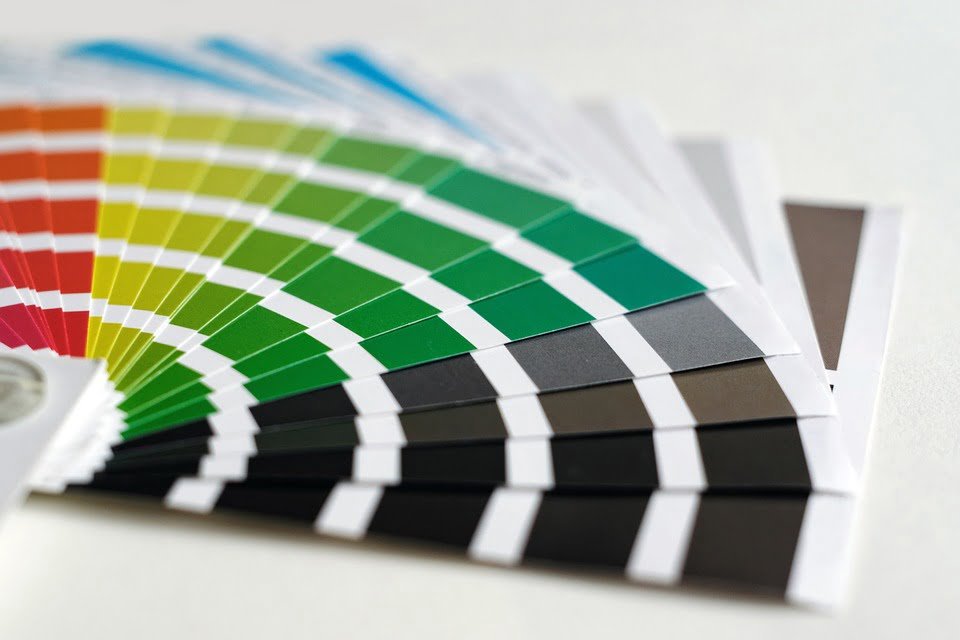
To enhance the ‘focal point’ effect further, there are various techniques to draw people’s attention: from raising the summer house up on decking so it is higher and more visible, to using uplighters at night. Light-coloured paints and stains will make the building more visible; so too will painting door and window frames a different colour.
Three ways to camouflage a garden building
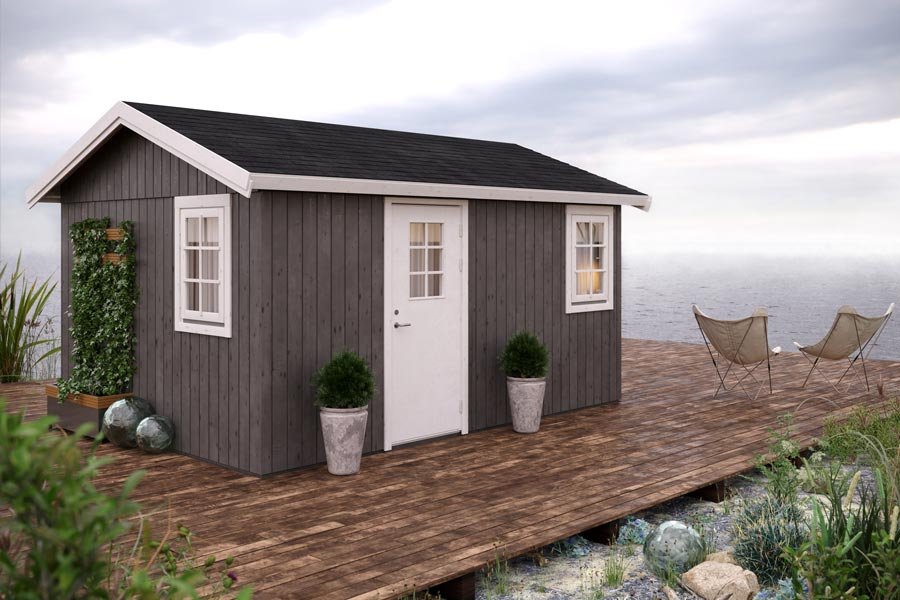
On the other hand, you may want to achieve the opposite effect with a garden building – to obscure it. The first way to camouflage the building is by painting or staining it. Dark colours make any building less obtrusive, and, obviously, using dark greens can help a shed blend in with foliage.
Secondly, the usual solution for hiding a timber building (or eyesores such as propane gas or oil tanks, or compost heaps) is to use a trellis and climbing plants. It’s quicker than waiting for hedges or trees to grow, and uses up less ground area. In addition, the fact that you can still see some light through the gaps in the trellis retains a better sense of space, and creates more interesting shadows and shapes than having the view completely blocked.
A third way to camouflage a garden building is to use a green roof kit. It’s possible to buy roofing mats of sedums and other plants, which can be cut to size, and shouldn’t be too heavy since they are specifically designed for sheds. Do however check that your roof is robust enough to support one. Though a green roof won’t hide a building completely, it can divert attention from the rest of the building.
Diversion can beat concealment
Indeed, many garden designers agree that ‘diverting attention’ from a garden eyesore, such as an old shed, a dustbin store, or compost heap, is more effective than trying to hide it completely. Alan Titchmarsh, writing for Waitrose’s website, says it’s tempting to block the view with a fence or trellis set at right angles across the plot. However, this, he says, will make the garden look smaller. Instead, he advocates an ‘angled … climber-clad trellis, leading the eye into one corner of the garden”. It draws the attention away to the garden’s furthest point.
Plant with consideration around your garden building
Antipodean garden websites are especially ready with advice about hiding garden ugliness. A useful suggestion from www.landscapingnetwork.com is to use different types of plants to draw attention to different parts of the garden. Plants with small leaves and fine textures tend to recede into a backdrop while larger leaves create larger shadows and more interesting shapes. So it advises using plants with fine textures “in front of and slightly off to the side of the unit”, then using “powerhouse plants with bold foliage” to attract the eye elsewhere in the garden. If you need advice with planting, or you are struggling for ideas, consider a trip to a local garden to get some inspiration.
And finally
The great thing about garden design is that there’s no right or wrong answer. And if you don’t like something, there are plenty of ways to change or hide it – from trellises, to container plants, to making a pond. But obviously, it’s easier to change the position of plants or trellises than it is to re-position a timber building, so it’s best to do some planning beforehand. At GardenLife we’re happy to give advice on siting our summer houses – feel free to contact us if you have questions.
Other useful sources of advice on garden design ideas for garden buildings are:
www.bbc.co.uk/gardening
www.rhs.org.uk/advice/design